
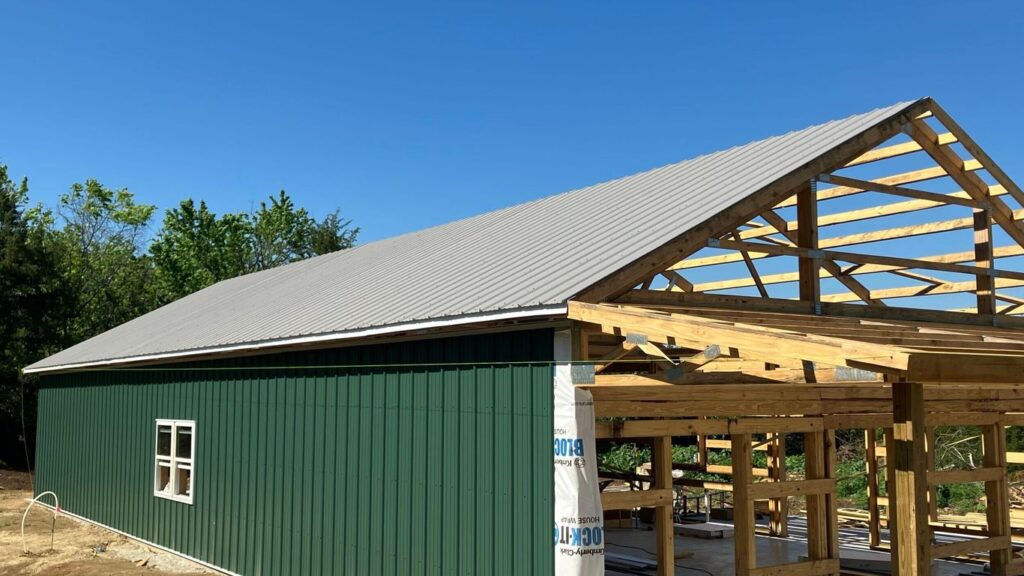
Thinking about putting up a 30×40 post frame building? It’s a pretty popular size, good for a lot of things. But like any building project, there’s more to it than just sticking up some posts and calling it a day. You’ve got to plan it out, figure out what you really need, and make sure it’s done right. This guide is here to walk you through the whole process, from the basic ideas behind post-frame construction to making sure your new 30×40 post frame building is exactly what you want and need.
Key Takeaways
Post-frame construction uses strong posts to support the building, allowing for open spaces inside and making it flexible for different uses.
Planning your 30×40 post frame building means looking at where it will go, what materials you’ll use, and how you want it to look and work.
Think hard about how you’ll use the building every day and if your needs might change later on. Good site drainage and easy access are also super important.
Designing your building involves turning your ideas into a workable plan that fits your site and your budget. Explore different options to get the most out of your space.
Making the final decision means understanding the costs involved and reviewing all the details of the layout and scope to ensure you’re confident with your choice.
Understanding Post-Frame Construction For Your 30x40 Building
So, you’re thinking about a 30×40 post-frame building. That’s a pretty common size, and for good reason. Post-frame construction, sometimes called pole barn construction, is a really solid way to build, especially if you need a good amount of open space. It’s not just for farms anymore; people use them for workshops, garages, even homes.
The Core Principles of Post-Frame Design
At its heart, post-frame construction is pretty straightforward. Instead of a bunch of small, closely spaced studs like in a regular house, you’ve got large, strong posts set into the ground or on a foundation. These posts are the main support. They hold up the roof and the walls. The walls and roof then work together, kind of like a team, to handle things like wind and snow loads. This means you don’t need as many interior walls to hold everything up, which gives you that nice, open feel inside.
Posts: These are the vertical supports, usually made of solid lumber or laminated wood. Where high strength is needed or where local standards suggest, Southern Yellow Pine is a popular choice for posts and framing due to its durability and strength. They’re set deep enough to be stable.
Girts: These are horizontal pieces that run between the posts. They connect the posts and provide something for the exterior siding to attach to.
Trusses: These are the triangular frameworks that span the width of the building, connecting the tops of the posts and supporting the roof.
Diaphragm Action: This is a structural concept where the roof and wall assemblies work together to provide rigidity against lateral forces like wind. In post-frame design, metal siding and roofing panels actually contribute to the overall diaphragm strength of the building. Their secure fastening helps the structure resist sideways movement, potentially reducing or eliminating the need for traditional sheathing like plywood or OSB in many applications.
The whole system is designed to distribute weight and forces efficiently.
Efficiency and Flexibility in Building
One of the big draws of post-frame is how quickly you can put one up. Because there are fewer main structural pieces and the system is pretty logical, crews can work fast. This often means less labor time and cost compared to other building methods. Plus, the open interior space is a huge plus. You can set up your workshop, store your RV, or whatever you need without being blocked by a bunch of support columns. Need to change things later? It’s usually easier to adapt a post-frame building than a traditional one.
Structural Integrity and Load Distribution
Don’t let the
Key Considerations For Your 30x40 Post Frame Building Project
Site Preparation and Foundation Choices
Before we even think about putting up walls, we need to talk about the ground your building will sit on. This isn’t just about digging a hole; it’s about making sure your structure lasts. The soil type matters a lot. Is it sandy, clay, or rocky? This affects how the ground will hold up the building, especially when the wind blows or snow piles up.
We also need to look at drainage. You don’t want water pooling around your foundation or seeping into your building. Proper grading, maybe some French drains, or even just making sure the land slopes away from the building site are all part of this. It sounds simple, but getting this right early on saves a ton of headaches later.
When it comes to the foundation itself, post-frame buildings have a few options. Sometimes, the main posts are set directly into the ground, packed with concrete. This works well for many uses. Other times, especially if local rules require it or for certain types of buildings, we might set the posts on concrete piers or build a full foundation wall. The best choice really depends on what you’re building, where you’re building it, and what the local building codes say.
Material Selection and Durability
Choosing the right materials is a big deal for how long your 30×40 building will last and how well it holds up. We’re talking about the posts, the framing lumber, the roofing, and the siding. For the posts, we usually use treated lumber to keep rot and insects away. The type of treatment and how deep it goes makes a difference.
For the main structure, we use strong lumber for the trusses and framing. Then there’s the exterior. Metal roofing and siding are popular because they’re tough and don’t need much upkeep. But you can also use wood, vinyl, or other materials if you want a different look. It’s about balancing how it looks with how it performs over the years.
Here’s a quick look at some common material choices:
Component | Common Options |
|---|---|
Posts | Pressure-treated lumber (various treatment levels, often Southern Yellow Pine where superior strength is needed) |
Framing | Dimensional lumber (SPF, Doug Fir, Southern Yellow Pine) |
Roofing | Metal (galvalume, painted steel), Asphalt shingles |
Siding | Metal panels, Vinyl, Wood, Fiber cement |
Insulation | Fiberglass batts, Rigid foam, Spray foam |
Durability really comes down to using quality materials and putting them together correctly.
Adapting Finishes for Aesthetics and Function
What your building looks like on the outside and how the inside is finished is where you really make it your own. Post-frame buildings are pretty flexible here. While many people think of a classic metal barn look, you can actually put all sorts of finishes on them.
Want it to look more like a house? We can add stone or brick accents, or use siding that matches your home. For the roof, you can go with metal in different colors, or even shingles if that fits the style better. It’s about making the building fit in with its surroundings or stand out just the way you want.
Inside, the open space of post-frame construction means you can really customize it. Need a workshop? We can add heavy-duty flooring, lots of lighting, and plenty of outlets. Planning to store vehicles? We’ll make sure the doors are the right size and the floor can handle the weight. If it’s going to be a living space, like a barndominium, then we’re talking about insulation, drywall, plumbing, and electrical systems, just like any other home.
Think about how you’ll use the space day-to-day. Will it be for storing equipment, working on projects, housing animals, or something else entirely? The intended use will guide decisions about door sizes, window placement, interior layout, and even the type of flooring or wall finishes that make the most sense. Getting this clear upfront helps avoid costly changes down the road.
So, while the basic structure is post-frame, the outside look and inside setup can be tailored to almost anything you can imagine. It’s a strong base that you can dress up or down depending on your needs and style.
Planning The Functionality Of Your 30x40 Post Frame Building
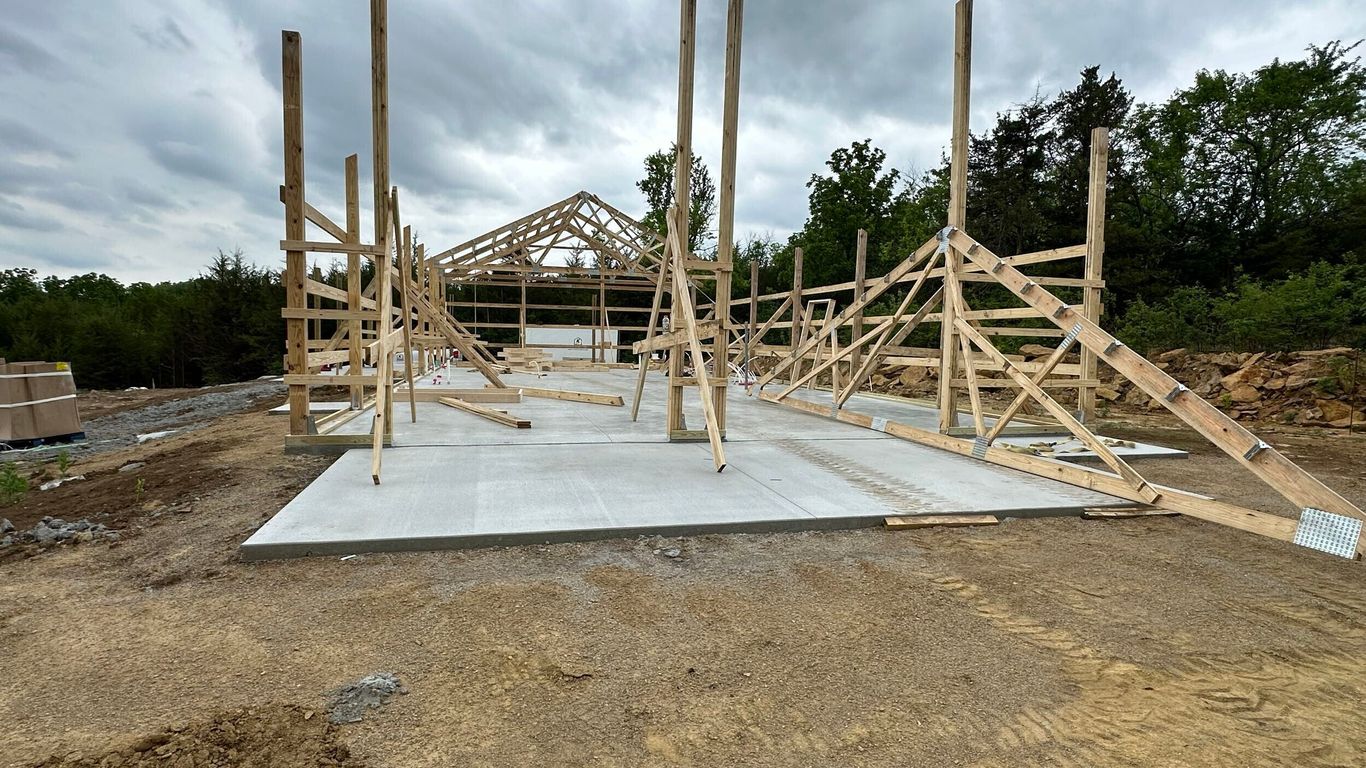
So, you’ve got this 30×40 space in mind for your new post-frame building. That’s a great size, offering a good amount of room without being overwhelming. But before we even think about the walls going up, we really need to nail down what this building is actually going to do. It’s not just about having a structure; it’s about making sure it works perfectly for you, now and down the road.
Defining Daily Use and Operational Needs
This is where we get down to the nitty-gritty. What’s the main job of this building? Is it a workshop where you’ll be tinkering with cars, needing space for tools, a workbench, and maybe even a lift? Or is it for storing equipment, like tractors, boats, or RVs, which means thinking about door sizes and clear height? Maybe it’s a combination, like a hobby farm setup with space for animals and feed storage. Thinking through the day-to-day operations is the most important first step.
Here are some questions to get you started:
What specific activities will take place inside?
What items need to be stored, and what are their dimensions?
How much space is needed for movement and workflow?
Will there be multiple users or functions happening at once?
What kind of lighting and ventilation will be required?
Accommodating Future Requirements
Buildings are long-term investments, and life has a way of changing. It’s smart to consider what your needs might be in five, ten, or even twenty years. Will that workshop eventually need to house a bigger project? Could that storage space become a place for a home-based business? Thinking about flexibility now can save you a lot of headaches and money later.
Flexibility in Layout: Can interior walls be added or removed easily if needed?
Expansion Potential: Is there room on the site to add on later if the building’s footprint needs to grow?
Changing Uses: Could the building easily adapt to a different primary function?
It’s easy to get caught up in the immediate needs, but a little foresight goes a long way. Imagine needing to add a small office space later, or perhaps a bathroom. Planning for these possibilities during the initial design phase, even if you don’t implement them right away, can make future modifications much simpler and less costly. It’s about building a structure that can grow and change with you.
Ensuring Proper Site Drainage and Access
This part is super important, and honestly, sometimes overlooked until there’s a problem. How will water move around your building? You don’t want rain or snowmelt pooling up against the foundation or creating muddy messes. Good drainage keeps your foundation solid and the ground around your building usable. Also, think about how you’ll get in and out. Are the doors big enough? Is there enough space to maneuver vehicles or equipment around the building? Easy access makes everything about using the building much smoother.
Water Management: Grading the site away from the building, considering gutters and downspouts, and potentially French drains.
Entry Points: Placement and size of main doors, potential for secondary access points.
Vehicle Flow: Clear paths for driving and parking around the structure.
Designing Your Ideal 30x40 Post Frame Building
So, you’ve got your 30×40 footprint in mind and you’re ready to start sketching out what this building will actually look like and do. This is where the fun really begins, turning those practical needs into a tangible structure. It’s about more than just walls and a roof; it’s about creating a space that works for you, now and down the road.
Translating Needs into a Buildable Concept
First things first, let’s get those ideas down on paper, or at least in a clear list. Think about the main purpose of this building. Is it a workshop? Storage for equipment? A place to park vehicles? Maybe a combination? Jot down everything you need the space to accomplish. What absolutely has to fit inside? What are the daily operations you envision? Don’t hold back – list out all the functions, big and small. This helps us see the big picture and start shaping the building around your specific activities.
List all primary uses (e.g., vehicle storage, woodworking, general storage).
Note any specific equipment or items that need dedicated space.
Consider workflow: how will you move around and use the space?
Think about lighting and ventilation needs for different activities.
Aligning Scope with Site Realities
Now, we need to be realistic about how your vision fits onto your property. We’ve talked about site prep and foundations, but design also needs to consider the lay of the land. How will you access the building? Are there any existing structures or features that need to be worked around? We also need to think about the budget. It’s easy to get carried away with grand ideas, but we need to make sure the design stays within what makes financial sense for you. It’s a balancing act between what you want and what’s practical for your location and wallet.
Here’s a quick way to think about it:
Factor | Your Needs | Site Considerations |
|---|---|---|
Access | Driveway width, turning radius, entry points | Existing roads, terrain, utility lines |
Drainage | Preventing water buildup inside | Natural slopes, nearby water sources |
Utilities | Power, water, internet needs | Proximity and availability of hookups |
Budget | Your comfort level for the total project | Material costs, labor, site prep expenses |
Exploring Design Options for Your Space
With your needs and site realities in mind, we can start looking at the actual design. This is where we figure out the best layout. For a 30×40 building, you have a good amount of open space to work with. We can explore different door placements, window locations, and even interior divisions if needed. Think about how you want the light to come in, where the main entry points should be, and if you need any specialized features like a workbench area or specific storage solutions.
The goal here is to create a design that feels intuitive and functional. It should make sense for how you’ll use the building every day, minimizing wasted space and making tasks easier. We want to avoid those
Making The Decision For Your 30x40 Post Frame Building
Understanding Project Investment
So, you’ve thought about what you need the building for, how it’ll look, and how it’ll fit on your land. Now comes the part where we talk about the money. It’s not just about the sticker price, though. Think of it like buying a car – you can get a basic model, or you can add all the bells and whistles. For a 30×40 post-frame building, the investment can really change based on a few things. We’re talking about the quality of the materials you pick, any special features you want, like extra doors or windows, and even how complex the site prep needs to be. It’s important to have a clear picture of what you’re getting for your money. We aim to be upfront about costs, breaking down where the investment goes so there are no surprises down the road. Remember, a building is a long-term thing, so thinking about the total cost over its life, not just the initial outlay, is smart.
Reviewing Layout and Scope Details
This is where we take all those ideas and put them onto paper, making sure they actually work. We’ll look at the floor plan again, making sure everything you want to do in the building fits comfortably. Does that workbench fit? Is there enough room to move that tractor around? We’ll go over the scope of work, which is basically a detailed list of everything that’s included in the project. This covers the structure itself, the doors, windows, any insulation, and even the finishing touches. It’s vital that both you and we are on the same page about every single detail before we move forward. We want to make sure the plan matches your vision and your needs precisely. If something doesn’t feel quite right, now is the time to speak up and make adjustments.
Guidance Through the Decision Process
Making a big decision like this can feel overwhelming, and that’s totally normal. Our job is to help you feel confident about your choice. We’ll walk through everything we’ve discussed, connecting it back to what you told us you needed at the start. We’ll show you the plans, explain the investment again, and answer any lingering questions you might have. We can also show you examples of similar projects we’ve completed, so you can see what a finished building looks like and how it functions. Think of us as your guide, helping you see the whole picture clearly. We’re not just handing you a quote; we’re having a conversation to help you make the best decision for your situation. Our goal is for you to feel good about the plan and excited about what’s to come.
Maintaining Quality Craftsmanship
This is where the building actually takes shape, and the quality of the work really matters. Post-frame construction relies on a system where each part connects to the next, so doing things right the first time is key. It’s about paying attention to the details – making sure posts are plumb, girts are level, and connections are secure. This isn’t the time to cut corners; the long-term performance of your 30×40 building depends on it.
Material Checks: Verifying that all materials delivered match the specifications and are in good condition.
Installation Standards: Following manufacturer guidelines and best practices for every component.
Quality Control: Regular inspections by a site supervisor or foreman to catch any deviations from the plan.
Wrapping Up Your 30x40 Project
So, you’ve gone through the steps, thought about the details, and now you’re ready to get that 30×40 post-frame building up. It’s a solid choice for a lot of different needs, whether it’s for your farm, your workshop, or even a place to store your stuff. Remember, taking the time to plan it out right, from picking the spot to figuring out the doors and windows, really makes a difference down the road. A well-planned building isn’t just about looking good; it’s about working the way you need it to for years to come. Good luck with your build!
Frequently Asked Questions
What exactly is post-frame building?
Think of post-frame building like using big, strong poles set deep in the ground to hold up the whole building. These poles support the roof and walls, so you don’t need lots of inside walls. This makes the inside space really open and easy to change for different uses.
Why choose a 30x40 post-frame building?
A 30×40 size is great because it offers a good amount of space without being too big or expensive. Post-frame buildings are known for being quick to build and cost-effective, especially for workshops, storage, or even living spaces like barndominiums.
What kind of foundation do these buildings need?
Often, the main posts are set directly into the ground and surrounded with concrete. This creates a strong base. Sometimes, especially for homes, they might be placed on concrete pillars or a foundation wall, depending on the rules and the ground.
Can I make a post-frame building look nice?
Absolutely! While many people think of metal, you can use all sorts of outside materials like wood or stone. This lets you make your building look good and match other buildings or just fit your style.
How long do these buildings last?
When built right with good materials, post-frame buildings are very strong and can last for many, many years. They are designed to handle tough weather like strong winds and heavy snow, especially with properly treated posts and sturdy construction.
What's the most important part of planning my building?
The biggest thing is to really think about how you’ll use the building every day. Also, consider what might change in the future. Planning for things like where water will go and how you’ll get in and out is super important for making sure your building works well for a long time.