

Thinking about building a small pole barn with living quarters? It’s a great idea for adding extra space, whether for guests, a home office, or even a rental. This guide will walk you through the basics of planning and building your dream setup. We’ll cover what makes post-frame construction work and how to get your site ready. Then, we’ll look at how to blend living areas into your pole barn design and make sure it lasts for years.
Key Takeaways
Post-frame construction uses large columns to support the building, allowing for open spaces and faster building times. It’s a solid method for structures needing flexibility.
Proper site assessment and preparation are super important. This includes checking soil, drainage, and grading to make sure your building is stable and lasts a long time.
Integrating living quarters into a pole barn means careful planning for insulation, utilities, and finishing touches to make it comfortable and functional.
Planning Your Small Pole Barn With Living Quarters
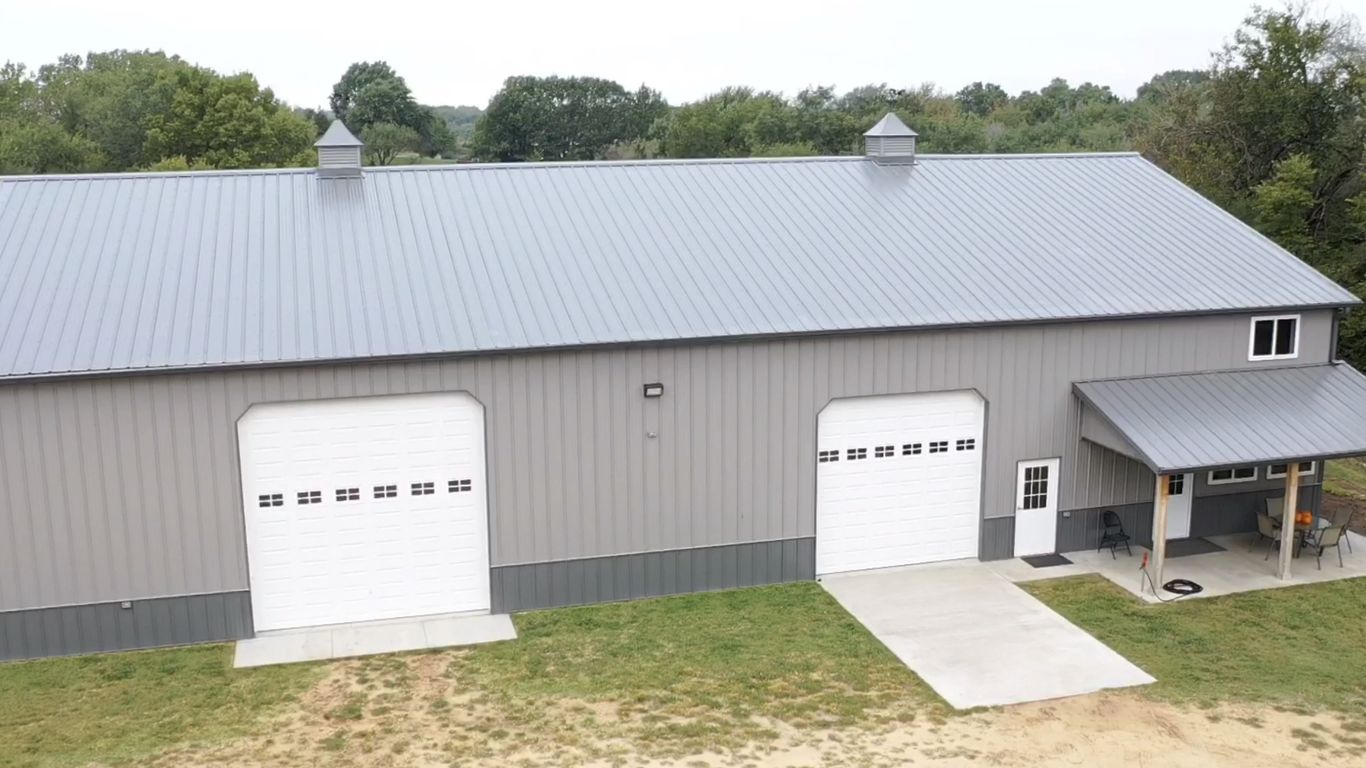
Getting started on your dream pole barn with living quarters is all about laying a solid foundation, and that starts with smart planning. It’s not just about picking out colors or deciding where the kitchen sink goes; it’s about understanding the nuts and bolts of how these buildings go up and what it takes to make them last.
Post-frame construction, often called pole building, is a pretty straightforward method. Basically, it uses large posts set into the ground or on concrete piers to hold up the whole structure. This means you don’t need a bunch of interior support walls, which gives you a lot more open space inside. The posts carry the weight, and then horizontal pieces connect them, supporting the roof and walls. It’s efficient because it uses fewer materials and can be quicker to build than traditional framing. This method is super adaptable, too. Whether you want a place for your cars, a workshop, or a home, post-frame construction can handle it. The key to a durable post-frame building is in the details of its construction and the quality of materials used. It’s a system that’s been around for ages, evolving from simple farm buildings to the complex homes and businesses we see today. When done right, these buildings are strong, flexible, and can last for a very long time. You can find more details on post-frame construction if you want to dig deeper.
Before you even think about digging, you need to really look at the land where your pole barn will sit. This step is super important, and honestly, it’s where a lot of future problems can be avoided. You need to check out the soil type – is it rocky, sandy, or clay? This affects how the posts will be set and how stable the ground is. Drainage is another big one. You don’t want water pooling around your foundation or seeping into your living space. Grading the site properly so water flows away from the building is a must. Access is also something to consider – how will construction crews and equipment get to the site? And what about utilities like water, electricity, and sewer or septic? Planning for these early saves a lot of headaches later.
Here’s a quick rundown of what to look at:
Soil Conditions: Understand what you’re building on. Different soils have different load-bearing capacities.
Drainage: Make sure water will naturally flow away from the building site. Proper grading is key.
Site Access: Plan for delivery trucks, concrete mixers, and other heavy equipment.
Utilities: Figure out how you’ll get power, water, and waste management to the site.
Local Regulations: Check zoning laws and building permits required in your area.
Getting this part right means your pole barn will be stable and problem-free for years to come. It’s the groundwork for everything else.
Designing and Building Your Dream Space
So, you’ve got the plans and the site ready. Now comes the fun part: actually bringing your pole barn with living quarters to life. This stage is all about making sure the structure is not only good-looking but also built to last and function exactly how you need it to.
Integrating Living Quarters into Pole Barn Design
Putting a home inside a pole barn isn’t just about slapping up some walls. It’s about smart design from the get-go. You’ve got to think about how the living space will connect with the rest of the barn, whether that’s a workshop, storage area, or something else. The beauty of post-frame construction is its open-span capability, which gives you a lot of freedom here. You can really customize the layout to fit your lifestyle.
Here are a few things to consider when planning the living area:
Layout Flow: How will you move between the living space and the functional areas of the barn? Think about separate entrances, or maybe a shared entryway. You want it to feel natural, not like you’re walking through a garage to get to your kitchen.
Utilities: Plumbing, electrical, and HVAC need to be planned carefully. Where will the water heater go? How will you run ductwork without it looking out of place? It’s often easier to plan this during the initial build rather than trying to add it later.
Insulation and Finishes: A pole barn shell is great for storage, but for a home, you’ll need proper insulation to keep it comfortable year-round and to manage energy costs. The interior finishes can range from simple drywall to more rustic wood paneling, depending on the vibe you’re going for.
Natural Light: Windows are key. Think about where you’ll get the best light throughout the day. Skylights can also be a great option for adding light without taking up wall space.
Ensuring Durability and Longevity
When you’re building something that needs to stand up to daily life and the elements for years to come, you want to do it right. Post-frame construction, when done properly, is incredibly strong and lasts a long time. It’s all about using the right materials and putting them together correctly.
Key factors for a durable build include:
Foundation and Posts: The posts are the backbone of the structure. They need to be properly treated to resist rot and insects, and set at the right depth. Depending on your location and soil type, they might be set directly in concrete or on piers. This direct load transfer is a big part of why these buildings are so sturdy.
Materials Quality: Using good quality lumber, fasteners, roofing, and siding makes a huge difference. Don’t skimp here. For example, using the right gauge metal for siding and roofing, and making sure all connections are secure, will help your barn withstand wind and weather.
Proper Assembly: Even the best materials won’t perform well if they aren’t installed correctly. This means following manufacturer guidelines, making sure everything is plumb and level, and paying attention to details like sealing joints and overlaps. A well-built post-frame structure can easily last for decades.
Think of it like this: you’re building a home and a workshop all in one. It needs to be tough enough for whatever you throw at it, but also comfortable and safe for living. Getting these details right during the building phase means fewer headaches down the road.
Wrapping It Up
So, you’ve gone through the whole process, from dreaming up your perfect little pole barn with living space to figuring out all the details. It’s a big project, for sure, but totally doable. Remember, post-frame construction is a solid way to build something that lasts, and with careful planning, you can get a place that really works for you. Don’t forget to think about how you’ll actually use the space day-to-day, and make sure the site is prepped right. It’s all about building smart so you can enjoy your new home away from home for years to come.
Frequently Asked Questions
What makes post-frame buildings strong and long-lasting?
Post-frame buildings are built using big, strong posts set into the ground or on a solid base. These posts hold up the whole building, kind of like a skeleton. This means we can build with fewer inside walls, making more open space. We also use special parts that connect the posts and hold the roof and walls, making the whole thing tough enough to handle wind and snow. Using good materials and putting them together the right way is super important for making them last a long time.
Can I put living spaces inside a pole barn?
Absolutely! Pole barns are really flexible, so you can totally design them to include living areas. Many people turn them into homes, called ‘barndominiums.’ You can add rooms, bathrooms, kitchens, and all the things you’d find in a regular house. The open design of pole barns makes it easier to create the layout you want for both living and working or storage spaces all in one building.
What's the most important thing to think about before building?
The most important thing is planning and getting the site ready. You need to look at the land where you want to build. Think about how the ground drains water, if it’s level, and how you’ll get to the building. Getting the site right from the start helps make sure your building stays strong and doesn’t have problems later on. It’s also key to clearly know how you’ll use the space, both now and in the future, so you can design it perfectly for your needs.