
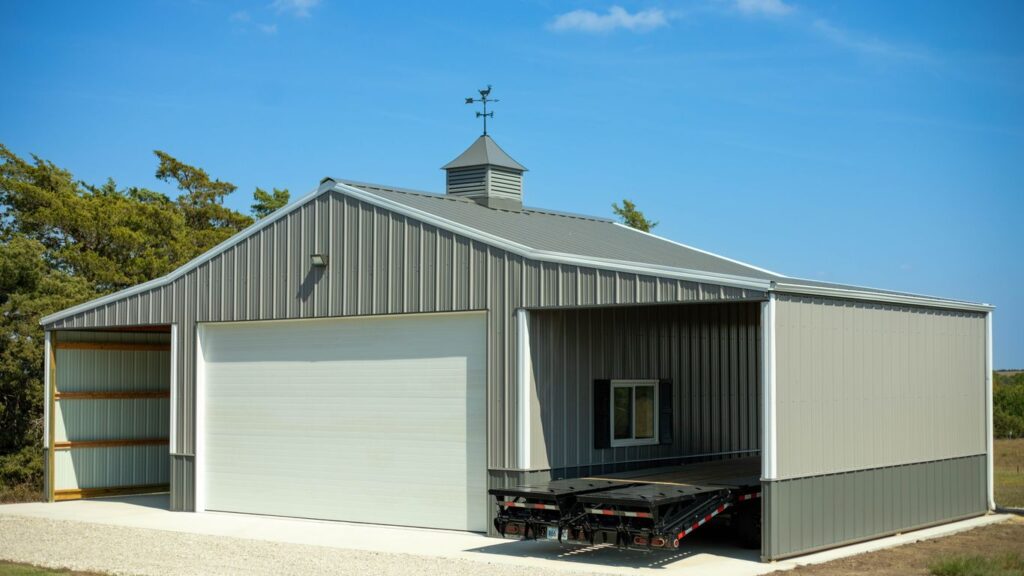
Thinking about building a 40×60 pole barn with living quarters? It’s a big project, for sure, but totally doable if you plan it right. This guide is here to walk you through everything you need to know, from understanding how these buildings go up to making sure your new space is exactly what you want. We’ll cover the planning, the design, the actual building process, and even how to pick the right people to help you out. So, if you’re dreaming of that perfect 40×60 pole barn with living quarters plans, let’s get started.
Key Takeaways
Post-frame construction is a solid method for building large, open structures like a 40×60 pole barn, offering flexibility and speed.
Careful planning is super important; think about your site, what you need the space for, and what you can accomplish before you even start designing.
Designing your 40×60 pole barn with living quarters plans means balancing living space with functional areas like workshops or storage.
Choosing a good builder who knows their stuff is just as important as the plans themselves for a quality build.
Customizing the exterior and interior finishes lets you make your 40×60 pole barn home truly yours, while proper maintenance keeps it looking good for years.
Understanding Post-Frame Construction for 40x60 Pole Barns with Living Quarters
A 40×60 pole barn with living quarters isn’t just another building—it’s a smart way to combine home, work, and storage in a single, flexible space. Here’s how post-frame construction makes these projects possible and reliable in the long-run.
How Post-Frame Building Systems Work
Post-frame construction uses large, spaced-apart structural columns to hold up your building. These posts are buried deep into the ground or anchored to a concrete pier. There’s no need for a continuous foundation wall. Horizontal framing members tie everything together, giving you big open spaces inside—way more than what you get with regular stick-frame structures. Roof trusses rest on the posts and support a roof with clear spans, which is a fancy way of saying “very few posts in the way.”
Columns (posts) carry most of the building’s load directly into the ground
Wide spacing (10 feet apart) gives a roomy, flexible interior
Trusses, girts, and purlins form a rigid frame that holds up walls and roof
Can be built quickly without as much excavation or specialized labor
Benefits of Post-Frame Construction
If you’re considering a 40×60 setup with living quarters, post-frame delivers some real wins:
Adaptable—you can change up interior layouts as your needs change
Faster build times compared to old-school construction
Works great for both residential and mixed-use buildings (think workshop plus apartment)
Factor | Post-Frame (Pole Barn) | Conventional Framing |
|---|---|---|
Structural Spacing | 10 feet | 16–24 inches |
Foundation Needs | Posts or piers | Full concrete wall |
Customizability | High | Medium |
Typical Build Speed | 2–4 months | 4–8 months |
For a lot of folks, the deciding factor is just how much usable space you get inside—with fewer walls to get in your way and plenty of room for future changes or expansions.
Durability and Longevity Considerations
Here’s where function matters more than show:
Treated wood posts and top-grade steel reduce rot, insects, and weather damage
Modern post-frame buildings are engineered to handle heavy winds and snow loads
Minimal contact between wood and ground, and concrete collars or post protectors often boost lifespan
Maintenance is straightforward: keep the building dry, address small issues early, and check fasteners/finishes as the seasons change
A well-built post-frame building can last for decades with basic care.
Use pressure-treated posts rated for ground contact
Ensure correct site drainage before building
Stick with quality siding and roofing materials—reliable stuff doesn’t last
If you’re planning to build something you hope to pass down—or just don’t want to deal with repairs every few years—get the details right from the start.
Critical Planning Steps for Your 40x60 Pole Barn with Living Quarters Plans
Planning a 40×60 pole barn with living quarters is more than just drawing up plans and picking finishes. There’s a mixture of practicality and big-picture thinking required, especially for a project this size. Getting these early decisions right means fewer regrets later and a smoother experience all around.
Assessing Site Conditions and Accessibility
Let’s be honest: a stunning layout won’t mean much if water pools around the building or delivery trucks get stuck in mud halfway up your drive. Here’s what needs attention from the start:
Evaluate soil type and drainage. Clay, sand, and loam all act differently after a storm.
Take a look at how the land slopes. Poor grading can send water straight to your door.
Check how easily large vehicles—like delivery trucks, concrete mixers, or even farm equipment—can access the site.
Identify overhead lines, trees, or other obstacles.
Consider how utilities (electric, water, septic) will reach your new building. Sometimes running these is more complex than you think.
Don’t skip a walk-through of your property with someone who knows what to look for—an extra half hour now can save you major pain down the road.
Clarifying Functional Needs and Future Growth
What do you really want out of this project? Try moving past “just a barn plus apartment” and think through how you’ll use every part of the building. Some questions to ask:
Will you need equipment storage, a shop, guest space, or home offices?
How many people will live here, and what does daily life look like?
Are animals or farm operations a factor, now or later?
What would you add in five or ten years if you had to do it again?
Any local restrictions or future plans for adjoining properties you should know about?
Write down the non-negotiables and the “nice-to-haves.” It helps keep the design honest to your true needs. Having these lists on hand gives you a reality check if your ideas start to drift or the budget needs trimming. Keep them visible throughout the planning process—you’ll reference them often as decisions pile up.
Designing a Livable and Functional 40x60 Pole Barn with Living Quarters
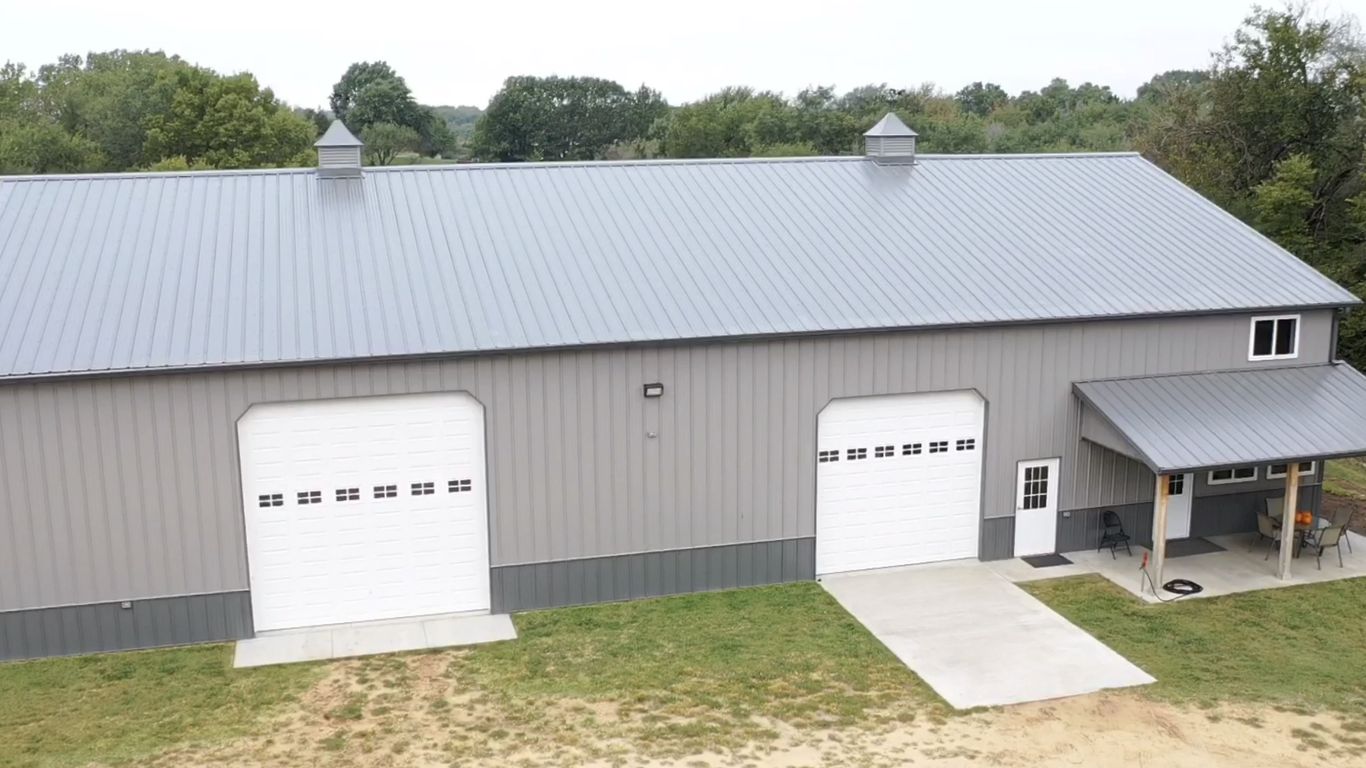
Okay, so you’ve got the basic idea of a 40×60 pole barn, maybe with a workshop or storage space. But now comes the fun part: figuring out how to actually live in it comfortably and make it work for your day-to-day life. This isn’t just about throwing up walls; it’s about creating a home that feels right for you.
Space Planning for Comfort and Efficiency
When you’re designing a pole barn home, thinking about how you’ll use each area is super important. You want to make sure there’s enough room to move around without feeling cramped, but also that you’re not wasting space on areas you’ll barely use. It’s a balancing act, for sure.
Flow: How do you move from the living area to the kitchen, or from your bedroom to the bathroom? Good flow means you don’t have to do awkward zig-zags to get where you’re going.
Natural Light: Where will the windows go? Good natural light makes a space feel bigger and more welcoming. Think about the sun’s path throughout the day.
Storage: This is a big one. Where will you put your coats, your shoes, your extra blankets, your tools? Built-in storage or designated spots can make a huge difference in keeping things tidy.
Don’t just think about the square footage; think about how that square footage is divided and used. A well-planned layout can make a smaller space feel much larger and more functional than a poorly planned larger one.
Selecting the Right Floor Plan for Your Lifestyle
Your lifestyle is the biggest driver here. Are you a single person who just needs a cozy spot, or do you have a family with kids and pets? Do you work from home? Do you entertain a lot?
Open Concept vs. Defined Rooms: Do you like the idea of a big, open living area where the kitchen, dining, and living room all flow together? Or do you prefer separate rooms for different activities?
Bedroom and Bathroom Count: How many people need private space? Consider the placement of bathrooms for convenience, especially if you have guests often.
Flex Spaces: Think about rooms that can serve multiple purposes. A spare room could be an office, a guest room, or a hobby space. This is where you can really get creative with 40×60 barndominium floor plans.
Integrating Workshop, Storage, and Home Elements
One of the coolest things about a pole barn with living quarters is the ability to combine your living space with your work or hobby areas. This is where the “build it” part of “Dream It, Build It” really comes into play.
Workshop/Garage: How much space do you need for your tools, vehicles, or projects? Consider ventilation, lighting, and easy access from the outside.
Storage: Beyond household storage, do you need space for equipment, seasonal items, or supplies? Think about dedicated storage rooms or even a loft area.
Separation: How much separation do you want between your living space and your workshop or storage? Some people like a direct connection, while others prefer a clear boundary for noise and dust control. This integration is key to making the building truly serve all your needs.
Construction Process and What to Expect During Your Build
Building a 40×60 pole barn with living quarters is a significant undertaking, and understanding the construction process is key to a smooth experience. It’s not just about putting up walls; it’s a series of carefully managed steps that lead to your finished structure. Think of it like a well-choreographed dance – each move has to be right for the whole performance to work.
The Importance of Proper Foundation and Site Preparation
Before any posts go in the ground, a lot of work happens on the actual site. This is where the building’s long-term stability really begins. You can’t build a strong house on a shaky foundation, right? The same applies here. This involves:
Grading and Drainage: Making sure water flows away from where the building will sit is super important. Nobody wants a soggy foundation or basement.
Layout and Staking: Precisely marking out where the building corners will be. This sounds simple, but getting it exact from the start prevents headaches later.
Excavation (if needed): Depending on your foundation choice, you might need to dig for footings or a basement.
This phase sets the stage for everything that follows. Skipping or rushing this part can lead to issues down the road that are way harder and more challenging to fix than doing it right the first time. It’s about creating a solid base for your entire project.
Phases of Post-Frame Building Installation
Once the site is prepped, the actual building process kicks into gear. Post-frame construction has a pretty logical flow. Here’s a general idea of what you can expect:
Post Setting: The main structural posts are set. These are the backbone of the entire building. They might be set directly into the ground with concrete or attached to a foundation system.
Framing the Structure: Once the posts are stable, horizontal framing members (like headers and girts) are attached. This starts to define the shape of your walls and roof.
Roof Trusses and Sheathing: Roof trusses are lifted into place and secured. Then, sheathing is applied to the roof structure, creating a solid surface for the roofing material.
Wall Girts and Exterior Sheathing/Siding: Girts are added to the posts to create a framework for the walls. Then, exterior sheathing and your chosen siding material are installed.
Roofing Installation: The final roofing material is applied to protect the structure from the elements.
Doors and Windows: These are installed, further enclosing the building.
This process is designed to be efficient. A well-coordinated crew can move through these stages relatively quickly, especially compared to traditional building methods. The whole pole barn building process is often quite transparent, taking weeks rather than months from quote to completion. You can generally expect a clear, step-by-step experience with no surprises.
Ensuring Quality through Consistent Execution
Quality isn’t just about using good materials; it’s about how those materials are put together. Consistent execution at every step is what makes a post-frame building truly durable and long-lasting. This means:
Attention to Detail: Making sure every connection is secure, every measurement is accurate, and every component is installed according to specifications.
Skilled Labor: Having experienced crews who understand the nuances of post-frame construction and take pride in their work.
Following the Plan: Adhering to the engineered plans and building codes, even when it might seem easier to take a shortcut.
The construction phase is where your plans become a reality. It’s a dynamic process with a lot of moving parts. Good communication between you, the builder, and the crew on-site is super helpful. Regular check-ins can help address any questions or minor adjustments that might come up, making the whole experience much smoother. Remember, a well-built structure is a result of careful planning and diligent execution from start to finish.
Choosing the Right Builder for Your 40x60 Pole Barn with Living Quarters Plans
Finding the right builder is probably the single most important step in getting your 40×60 pole barn with living quarters off the ground. The right contractor isn’t just someone who can throw up a building—they need to understand your goals, the land, your plans for the space, and the details that matter to you. Here’s what to watch for as you start your search.
Key Qualities to Look for in a Contractor
Strong experience with large-scale post-frame buildings (not just simple sheds)
Track record with living space integrations, not just barns
Local references—real projects you can actually see
A process where you can stay involved and ask questions
Transparent communication—no bait-and-switch or vague numbers
A good builder will treat your barn project as a partnership, not just another sale. If the early conversations aren’t clear and honest, you can expect the same problems down the line.
Questions to Ask Before Signing a Contract
Can you walk me through your building process, start to finish?
How do you handle changes mid-project?
What’s included—and not included—in your estimate?
Who will actually be doing the work (your crews, or subcontractors)?
Can I visit one of your recent barn-with-living-quarters builds?
How do you keep clients updated if issues pop up?
What’s your timeline from agreement to move-in?
Quick Comparison Table of What to Watch For
Factor | Red Flags | Positive Signs |
|---|---|---|
Communication | Slow responses, vague talk | Clear answers, prompt replies |
Past Projects | Few real references | Local, similar projects shown |
Contract Details | Excludes key work | Lists all phases, clear scope |
Transparency | Big upfront asks, surprises | Full breakdown, no gimmicks |
Change Management | “We’ll see as we go” | Written process, clear steps |
Working with a Local Builder for Better Results
Local builders know the climate, codes, and common land issues
They’re more likely to have reliable teams—no sketchy crews from out of town
You can actually see their work, maybe even talk to a past client or two
Reputation matters more locally; a builder who cares won’t want bad word getting around
When it comes down to it, local experience can mean safer builds, better scheduling, and way less stress for you in the long run.
Choosing a builder isn’t about the lowest bid or the fanciest website. It’s about trust, reliability, and knowing you’re both aiming for a building that will hold up for decades. Don’t rush this step—meet with a few, ask real questions, and trust your gut on who’s really in it for the right reasons.
Customization and Finish Options for Your 40x60 Pole Barn Home
When it comes to a 40×60 pole barn with living quarters, the finishing details and customizations are what truly make the structure yours. There’s a lot more wiggle room here than folks might think, whether you want something that looks more like a classic farmhouse, a rugged workshop, or a comfortable home that blends right in with your land. Let’s look at some of the choices you’ll want to weigh as you plan your space.
Exterior Finishes and Curb Appeal
You’re not stuck with standard metal siding—though it’s tough, reliable, and a popular pick. Here are some common exterior finish options:
Steel or Aluminum Siding and Roofing: The go-to for longevity and weather resistance.
Board and Batten or Engineered Wood:** Adds a traditional or craftsman look if you want something more like a house.
Stone or Brick Wainscot:** Kick up the visual interest and add some texture at ground level.
Overhangs, Porches, and Decorative Trim:** Not just about looks—these features can also keep rain away from your entryways and help frame the building.
Finish Type | Weather Resistance | Maintenance Level |
|---|---|---|
Steel Siding/Roofing | High | Low |
Engineered Wood | Moderate | Moderate |
Stone/Brick Wainscot | High | Low |
Your exterior finish can change how your barn blends into the land or stands out as a statement. Think about how it’ll look in all seasons, and how much upkeep you’re willing to sign up for.
Interior Material and Design Choices
Inside, the possibilities open up even more. You can keep things simple and functional, or you can finish out the space with drywall, custom trim, and all the trappings of a modern home. Here’s what to consider:
Insulated metal liner panels or plywood for shop areas—these are ultra-durable and clean up easy.
Drywall, shiplap, or wood paneling for living spaces if you want a warm, home-like feel.
Flooring options run the gamut from polished concrete (easy to clean, looks sharp in a workshop) to engineered wood or luxury vinyl planks for comfort and style in the living quarters.
Window and door upgrades for more light and better energy performance.
And don’t forget lighting—high bays work for workspaces, while recessed or pendant fixtures can soften up the residential zones.
Adapting Design for Agricultural, Commercial, or Residential Use
Your needs drive a lot of these finish choices. Here’s how that might look for three common use cases:
Agricultural: Prioritize tough, washable finishes, large roll-up doors, and open layouts for storing machinery or hay.
Commercial: Think about traffic flow, code compliance, signage, and maybe a mix of open shop space with finished offices up front.
Residential/Barndominium: Create zones that separate living and utility spaces, add insulation, and pick finishes that match your personal style and comfort needs.
Maintenance, function, and how the building might change later are all big factors. Plan ahead for small upgrades or expansions when you pick finishes now.
The right combination of finishes doesn’t just look good—it should make your pole barn easier to live in, work in, and own for decades.
Long-Term Value and Ownership Insights
So, you’ve got this awesome 40×60 pole barn with living quarters all planned out. That’s fantastic! But what happens after the last nail is hammered and the dust settles? Thinking about the long haul is just as important as the initial build. It’s about making sure your project keeps paying off for years to come.
Maintenance Best Practices
Keeping your pole barn home in good shape doesn’t have to be a huge chore. A little regular attention goes a long way. Think of it like taking care of a car – regular oil changes and tire rotations mean fewer breakdowns down the road. For your pole barn, this means:
Regular Inspections: Walk around your building a couple of times a year. Look for any loose siding, check the roof for damage, and make sure the seals around windows and doors are intact. It’s also a good idea to check the ground around the posts for any signs of erosion or settling.
Gutters and Drainage: Keep those gutters clean! Clogged gutters can cause water to back up and damage your roof or foundation. Make sure the ground slopes away from your building so water doesn’t pool up near the foundation.
Pest Control: Pole barns can sometimes attract critters. Keep an eye out for any signs of insects or rodents, especially around the base of the structure and any storage areas. Sealing up small gaps can make a big difference.
Paint and Sealants: If you have wood elements or painted metal, touch them up as needed. This protects the material from the weather and keeps things looking sharp.
Protecting Your Building for Decades
Your pole barn home is designed for durability. When built correctly, these structures are made to stand strong against the elements for many years. To really protect it, consider these points:
Understand Your Warranty: Know what your builder’s warranty covers and for how long. This is your first line of defense against any unexpected issues.
Address Issues Promptly: Don’t let small problems fester. A minor leak or a loose panel, if ignored, can turn into a much bigger repair later on.
Consider Upgrades: As technology and materials improve, think about potential upgrades. Maybe a more energy-efficient window system down the line, or improved insulation. These can add comfort and value.
Adapting Your Building for Changing Needs
Life changes, and your needs might too. One of the great things about pole barn construction is its inherent flexibility. The open-span design means you often have a lot of freedom to reconfigure interior spaces without major structural headaches.
The beauty of a well-designed pole barn is its adaptability. What starts as a workshop might later become extra living space, or a storage area could be repurposed for a home business. The underlying structure is robust, allowing for modifications that might be difficult or impossible in more traditional builds. Planning for this flexibility from the start, even if you don’t need it immediately, can save a lot of hassle and expense down the road.
Think about how you might use the space differently in 5, 10, or even 20 years. Could a wall be moved? Could plumbing or electrical be added more easily in certain areas? Thinking ahead during the design phase, or even just keeping these possibilities in mind during ownership, can ensure your 40×60 pole barn home remains a functional and valuable asset throughout its long life.
Wrapping Up Your Dream Build
So, you’ve got the vision for your 40×60 pole barn with living quarters, and now you’ve got a clearer picture of how to make it happen. From understanding the solid foundation of post-frame construction to thinking through the practicalities of design and execution, it’s all about taking it step by step. Remember, building something like this is a big project, but it’s totally doable with the right planning and focus. It’s about creating a space that works for you, lasts a long time, and really feels like home. Go ahead and start dreaming, then get ready to build it.
Frequently Asked Questions
What is a 40x60 pole barn with living quarters?
A 40×60 pole barn with living quarters is a building that combines a large open space, usually used for storage or as a workshop, with a comfortable area for living. The size (40 feet by 60 feet) gives you plenty of room to fit both your home and work needs under one roof.
How does post-frame construction work for these buildings?
Post-frame construction uses big wooden posts set deep in the ground or on a concrete base. These posts support the whole building, so you don’t need as many walls inside. This makes it easier to have wide open spaces and design the layout the way you want.
Why should I pick post-frame construction instead of a regular house?
Post-frame construction is often faster and uses efficient materials. It’s strong and flexible, which means you can change the inside space more easily. These buildings also handle harsh weather well when built correctly.
What do I need to think about before building a 40x60 pole barn with living quarters?
First, check your land to make sure it’s a good spot—look at things like soil, drainage, and how easy it is to get to. Next, think about what you need the building for, how you might use it in the future, and what your plans are. Planning these details helps avoid problems later.
Can I customize the look and layout of my pole barn home?
Yes! You can choose different siding, roofing, and floor plans to fit your style and needs. Inside, you can pick finishes, materials, and even add special spaces like a shop, storage, or extra bedrooms.
How long will a 40x60 pole barn with living quarters last?
If built right, these buildings can last for decades. Using quality materials, preparing the site well, and keeping up with regular maintenance will help your pole barn home stay strong and useful for many years.